





Fast charging
High power discharge
Thinner system design
Drop-in energy density gains

Sepion Power™
Optimized for charging speed and energy density.
Sepion engineers advanced polymer materials that control how ions move inside a battery — shaping performance from the molecular level to the gigawatt scale.
Small structural decisions determine how fast batteries charge, how long they last, and how safely they operate.
Standard polymers are flexible: when coated from solution, their chains pack randomly and collapse into dense, amorphous films.
Sepion’s polymers are constructed with a rigid and angular backbone, so they physically cannot pack densely. The result is a self-assembled porous film with nanoscale size selectivity, made using conventional polymer coating equipment.
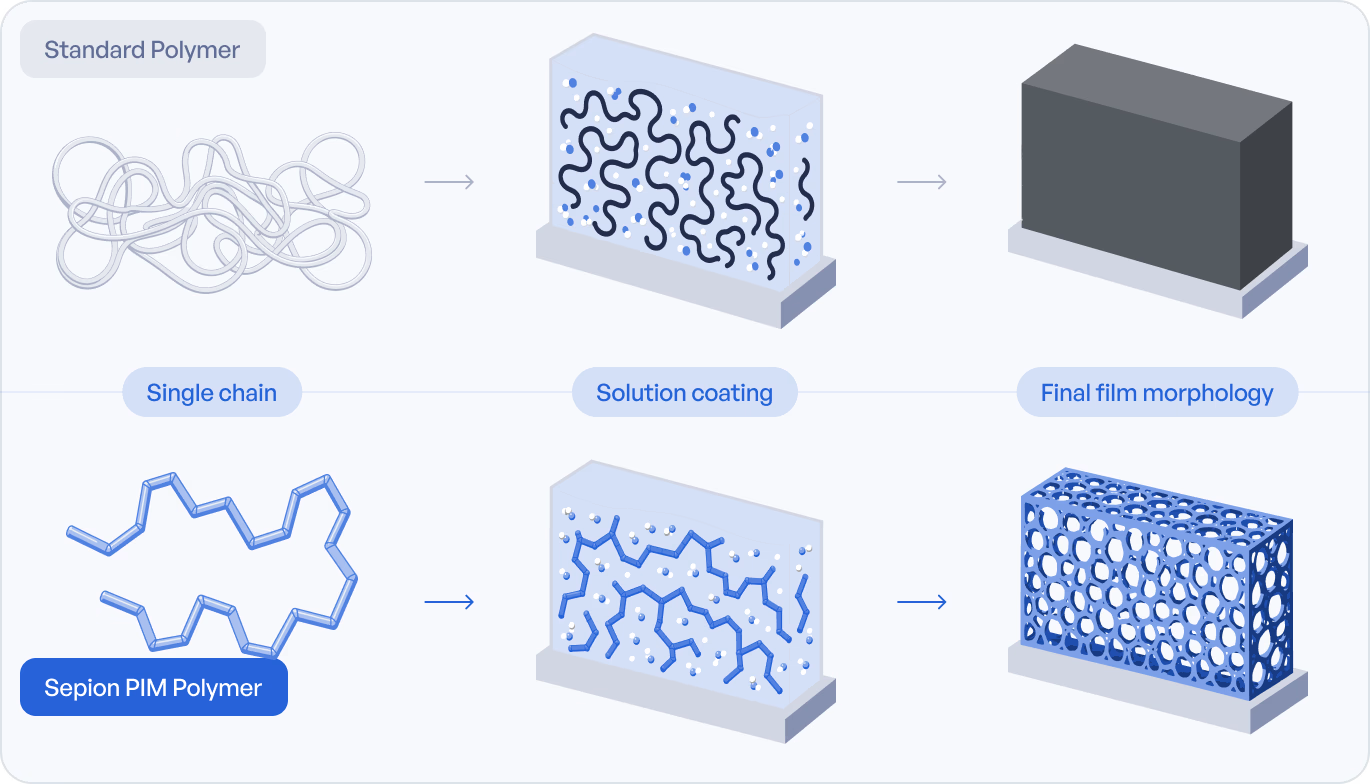
0.5–4 nm Pores
Tunable pore size for molecular and ionic selectivity.
Hydrocarbon Feedstocks
Built from simple inputs for scalable polymer production.
Solvent & Electrolyte Compatibility
Stable across aggressive liquid chemistries.
>300°C Stability
Thermal durability for demanding operating environments.
No Glass Transition
A broad processing window without conventional softening limits.
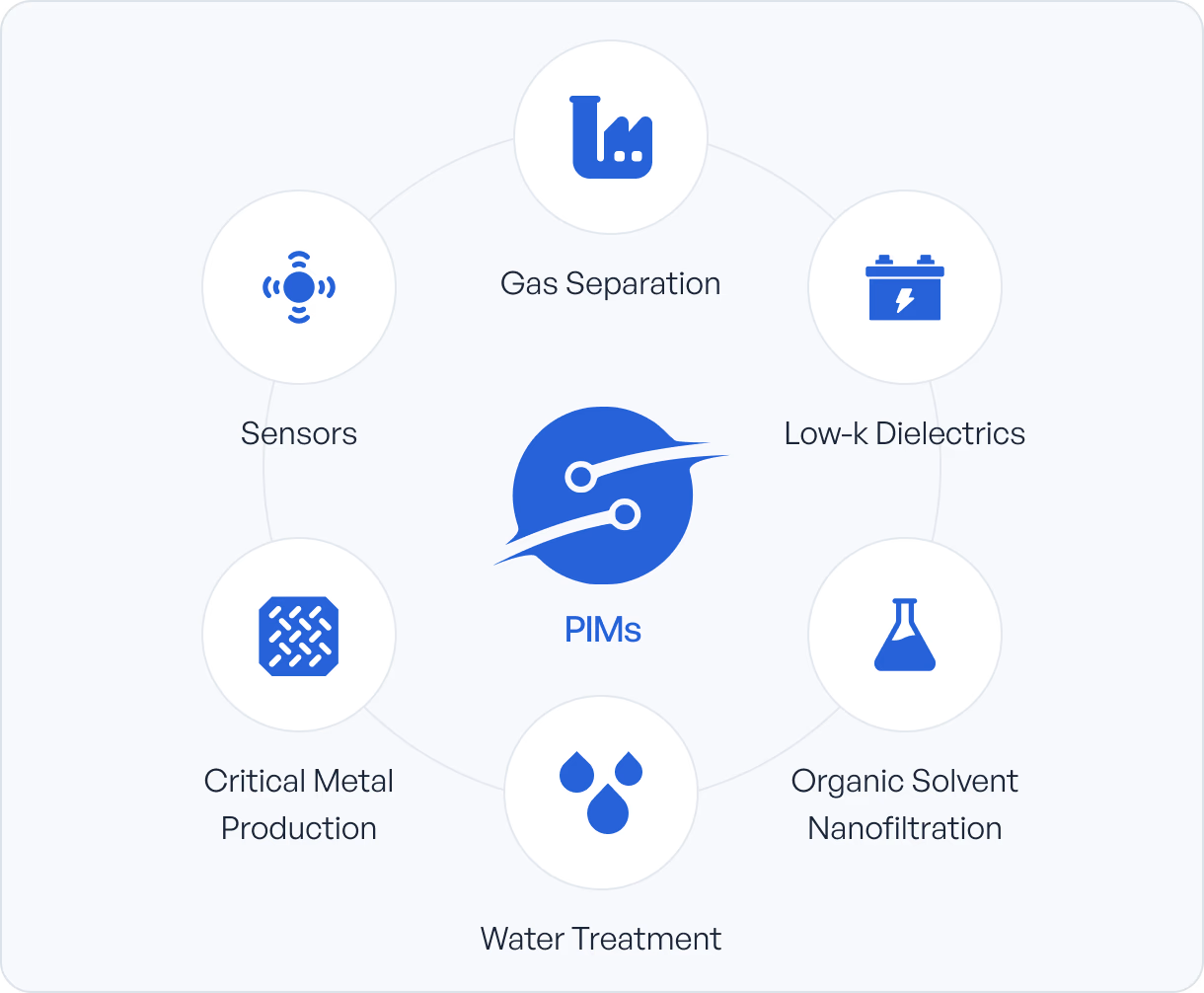
Sepion’s platform delivers tunable, precise separations at the molecular scale across applications.
Molecular Architecture
The polymer structure is engineered to create precise nanoscale pathways.
Controlled Transport
These pathways allow selected species to pass efficiently while blocking unwanted species.
Better System Performance
The result is improved system-level efficiency and durability.
Today we power two commercial products:
Fast charging
High power discharge
Thinner system design
Drop-in energy density gains
Optimized for charging speed and energy density.
Extended cycle life
Improved safety
Thermal stability
System level $/kWh savings

Optimized for durability, safety, and long-term stability.
Unique Tech Platform
unlocks differentiated product lines for multiple high value markets.
Sepion Competitive Advantage
Certification testing and validation through leading energy institutions
Customer pilot programs
Strategic manufacturing partnerships
Ready for deployment at scale


